THIS PROGRAM IS OFFERED TO GRADES JK - SK
September 18 – December 4, 2026 (9 lessons)
Every Friday, 4:00 pm - 5:30 pm
* Please note there are no lessons on October 30 (PA Day), November 6 (PD Day), and November 20 (PA Day).
Maximum 16 students; minimum 4 students. 1 teacher and 1 assistant will be arranged for each class.
$377
The purpose of this program is to introduce the principles of STEM and basic subjects of classical mechanics through the use of building blocks and mechanical parts. Children delve into various facets of basic classical mechanics like laws of physics, forces, energy, torque, and leverage and more.
Program Objectives:
Embed science, technology, engineering, and math (STEM) concepts from an early age
Introduce children to the fundamentals of classical mechanics
Improve fine motor skills
Cultivate critical problem-solving and creative thinking skills
Nurture a love for science and discovery
Expand interpersonal communication skills
Encourage team building, cooperation and group play skills
Learn key principles of engineering and physics
Develop ability to analyse engineering processes
Lesson Overview
Lesson 1 - Wheel and Transmission: To introduce wheels and direction of belt transmission
Lesson 2 - Gears: To introduce tooth gears and the related transmission
Lesson 3 - Mechanical Symmetry: To introduce the concept of mechanical symmetry
Lesson 4 - Walking Mechanism: To introduce symmetry and asymmetry mechanism
Lesson 5 - Speed-changing: To introduce speed-decreasing transmission using a belt
Lesson 6 - Worm Gear: To introduce worm gear applications and double snail transmission
Lesson 7 - Slider Mechanism: To introduce slider mechanism and how the mechanical parts push an object upward
Lesson 8 - Prehistory: To introduce prehistoric animals and ecosystem
Lesson 9 - Gear-shifting: To introduce gear-shifting mechanism in changing the velocity of a machine
_________________________________________
IMPORTANT: Please review PCA’s Extra-Curricular Programs Policy BEFORE registering.
To avoid any scheduling conflicts, here is the TIMETABLE at-a-glance.
THIS PROGRAM IS OFFERED TO GRADES JK - SK
September 18 – December 4, 2026 (9 lessons)
Every Friday, 4:00 pm - 5:30 pm
* Please note there are no lessons on October 30 (PA Day), November 6 (PD Day), and November 20 (PA Day).
Maximum 16 students; minimum 4 students. 1 teacher and 1 assistant will be arranged for each class.
$377
The purpose of this program is to introduce the principles of STEM and basic subjects of classical mechanics through the use of building blocks and mechanical parts. Children delve into various facets of basic classical mechanics like laws of physics, forces, energy, torque, and leverage and more.
Program Objectives:
Embed science, technology, engineering, and math (STEM) concepts from an early age
Introduce children to the fundamentals of classical mechanics
Improve fine motor skills
Cultivate critical problem-solving and creative thinking skills
Nurture a love for science and discovery
Expand interpersonal communication skills
Encourage team building, cooperation and group play skills
Learn key principles of engineering and physics
Develop ability to analyse engineering processes
Lesson Overview
Lesson 1 - Wheel and Transmission: To introduce wheels and direction of belt transmission
Lesson 2 - Gears: To introduce tooth gears and the related transmission
Lesson 3 - Mechanical Symmetry: To introduce the concept of mechanical symmetry
Lesson 4 - Walking Mechanism: To introduce symmetry and asymmetry mechanism
Lesson 5 - Speed-changing: To introduce speed-decreasing transmission using a belt
Lesson 6 - Worm Gear: To introduce worm gear applications and double snail transmission
Lesson 7 - Slider Mechanism: To introduce slider mechanism and how the mechanical parts push an object upward
Lesson 8 - Prehistory: To introduce prehistoric animals and ecosystem
Lesson 9 - Gear-shifting: To introduce gear-shifting mechanism in changing the velocity of a machine
_________________________________________
IMPORTANT: Please review PCA’s Extra-Curricular Programs Policy BEFORE registering.
To avoid any scheduling conflicts, here is the TIMETABLE at-a-glance.

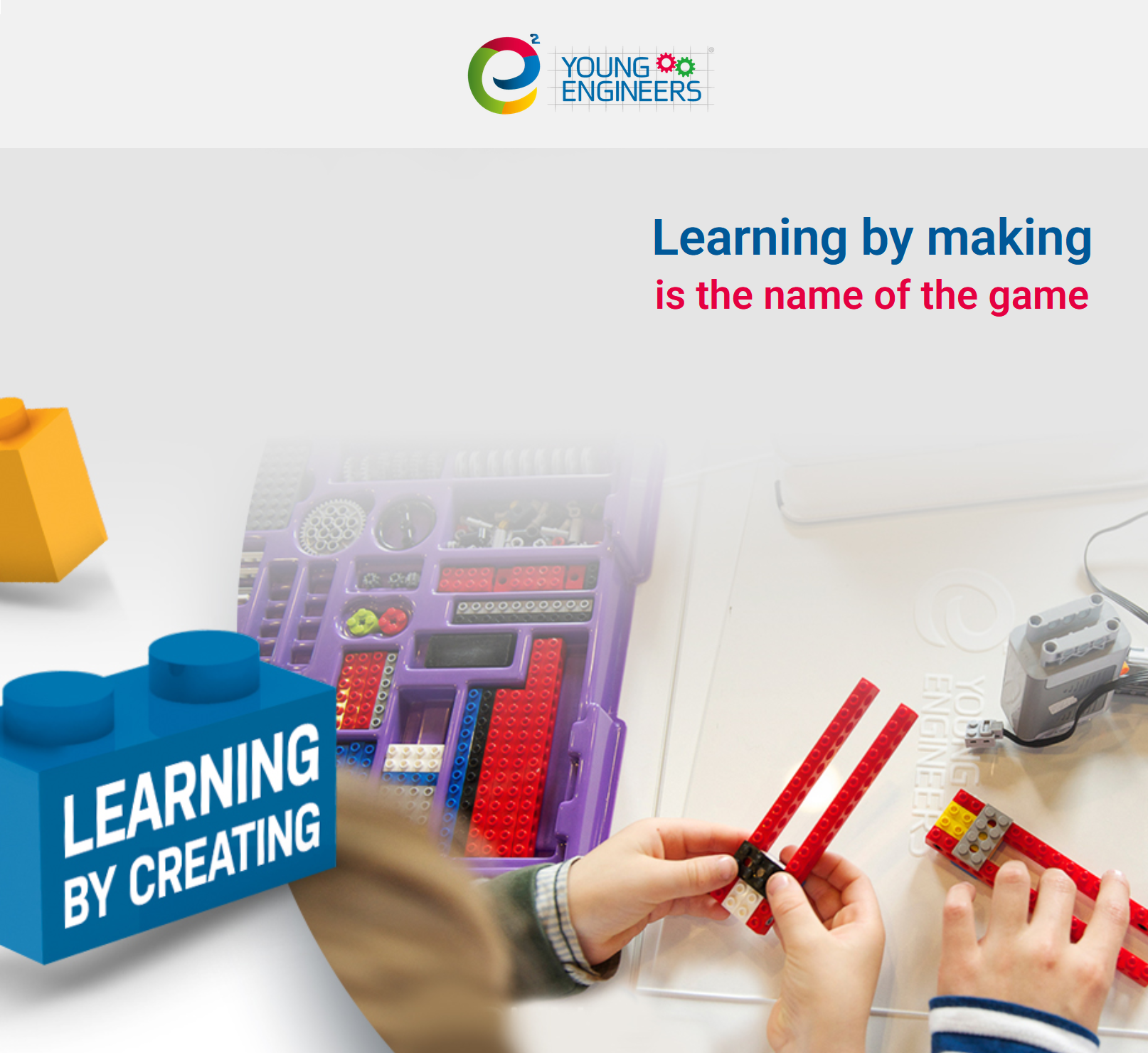 Image 1 of 1